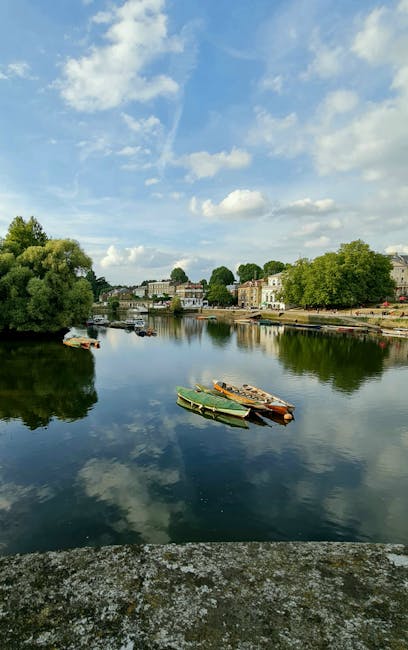
Putney gardeners tips for riverside gardens by Putney Bridge
Riverside gardens look lovely on a calm Putney evening. The light changes, the Thames air moves through the planting, and everything feels a touch more open than a typical London front or back garden. But if you garden near Putney Bridge, you also know the reality: wind, heavier moisture, occasional shade from buildings or trees, and soil that can behave very differently from what you'd expect a few streets away.
This guide brings together practical Putney gardeners tips for riverside gardens by Putney Bridge in a way that is actually useful day to day. Whether you are trying to keep borders tidy, choose tougher plants, reduce slipping hazards on paths, or simply get more from a small outside space, the aim here is simple: help you make better decisions with less trial and error. And yes, a few things really do matter more near the river than they would inland.
If you are weighing up professional help as well, it can be worth looking at the broader garden services overview and the team's pricing and quotes information so you know what to expect before you book anything. That kind of clarity saves time. It always does.
Table of Contents
- Why Putney gardeners tips for riverside gardens by Putney Bridge Matters
- How Putney gardeners tips for riverside gardens by Putney Bridge Works
- Key Benefits and Practical Advantages
- Who This Is For and When It Makes Sense
- Step-by-Step Guidance
- Expert Tips for Better Results
- Common Mistakes to Avoid
- Tools, Resources and Recommendations
- Law, Compliance, Standards, or Best Practice
- Options, Methods, or Comparison Table
- Case Study or Real-World Example
- Practical Checklist
- Conclusion
- Frequently Asked Questions
Why Putney gardeners tips for riverside gardens by Putney Bridge Matters
Riverside gardens are not just "normal gardens with a nice view". By Putney Bridge, conditions can shift quickly. Wind can funnel along the river, soil can stay damp for longer after rain, and some plots get more reflected light or shade than you might expect. Add in foot traffic, pets, bikes, prams, or compact courtyards, and the practical side of gardening starts to matter a lot.
The biggest mistake people make is treating river-edge planting like a suburban border. Truth be told, that usually ends in tired shrubs, patchy lawns, algae on hard surfaces, and a garden that always feels one step behind. A good plan starts with the local microclimate. Putney Bridge sits in a busy, exposed stretch of west London, so successful gardens there need to be resilient, tidy, and flexible.
That does not mean dull. Far from it. It means choosing plants and maintenance routines that can handle real conditions rather than ideal ones. It also means knowing when to prioritise drainage over decoration, or structure over softness. Those trade-offs are the whole game, really.
For homeowners, landlords, and anyone caring for a shared outdoor space, this matters because the right approach reduces ongoing work and protects the garden's appearance through the year. If you are managing a larger property or want regular support, checking a provider's insurance and safety information is a sensible first step, not an optional extra.
How Putney gardeners tips for riverside gardens by Putney Bridge Works
At its core, this approach is about matching the garden to the location. Riverside gardening works best when you read the site first, then choose the maintenance style and planting scheme to suit it. That sounds obvious, but in practice people often start with the plant list and hope for the best. Little shortcuts like that tend to bite later.
The process usually follows a few steps:
- Assess exposure. Look at wind, shade, damp patches, and how much direct sun the garden gets across the day.
- Check the ground. Sandy, clay-heavy, compacted, or mixed soils behave differently near the river.
- Decide the purpose. Is this a space for relaxing, entertaining, privacy, wildlife, or low-maintenance appeal?
- Choose resilient materials. Paths, edging, and containers should suit wetter, sometimes slick conditions.
- Plan a maintenance rhythm. Near-river gardens often need lighter but more frequent care, especially in spring and autumn.
If you are thinking of professional help, a good local team should be comfortable discussing routine mowing, trimming, bed care, and seasonal tidy-ups rather than just offering a one-size-fits-all visit. The services overview is useful for understanding the range of support that may be available.
One small but important point: river-adjacent gardens often look best when maintenance is consistent, not dramatic. You do not need to "fix everything" in one go. A few smart changes usually outperform a massive weekend overhaul.
Key Benefits and Practical Advantages
Done well, a riverside garden near Putney Bridge offers more than visual appeal. It becomes easier to live with. It feels calmer, safer underfoot, and less likely to turn into a constant repair job after wet weather or strong winds.
1. Better plant survival
Plants selected for local conditions usually establish faster and need less replacing. That means fewer gaps in borders and less money spent on trial-and-error planting. You also get a more settled look, which matters in small urban gardens where every patch shows.
2. Cleaner, safer paths and lawns
Riverside moisture can encourage slippery surfaces and moss growth, especially where shade lingers. A good maintenance routine reduces that risk. To be fair, most people only notice the issue after a wet morning when the paving feels like it has a mind of its own.
3. Less seasonal stress
When a garden is designed for exposure, you spend less time worrying about wind damage, waterlogging, or plants collapsing halfway through a cold snap. You are still gardening in London, so things will not be perfect. But they can be far more predictable.
4. Better year-round appearance
Near the river, a garden can look scruffy quickly if pruning, edging, and leaf clearance slip. Consistent care keeps the space presentable, which is especially useful for homes with guests, renters, or front-facing plots.
5. Easier decision-making
Once you understand the location's quirks, you stop making random choices. You know which plants can cope, which materials are practical, and which habits are worth keeping. That makes every next decision easier. And that is a real benefit, even if it sounds a bit unglamorous.
If budget is part of the decision, it can help to review pricing and quote guidance before committing to regular support. Clear expectations beat guesswork every time.
Who This Is For and When It Makes Sense
This advice is useful for a wide range of people, not just keen gardeners. In fact, some of the best results come when the person caring for the space is simply trying to keep it tidy and resilient without becoming obsessed with every leaf.
- Homeowners who want a garden that looks good through wet winters and breezy spring days.
- Landlords and property managers who need reliable upkeep without constant intervention.
- Busy professionals who enjoy the space but do not have hours to spare each weekend.
- Older residents who want safer paths, manageable beds, and less heavy lifting.
- Families who need durable planting and practical outdoor space for daily use.
- Small businesses or hospitality settings where first impressions matter and mess shows quickly.
It makes particular sense if you have already noticed any of the following: plants leaning after wind, lawn patches that never really dry, pots drying out too quickly in one corner and staying wet in another, or paving that gets slick after rain. Those are the little warnings people often ignore at first. Then autumn arrives and suddenly it is all urgent.
Sometimes the answer is not more effort, just better targeting. That is the nice part.
Step-by-Step Guidance
Here is a practical way to approach a Putney riverside garden without overcomplicating it.
Step 1: Start with a proper site walk
Walk the garden at different times if you can: late morning, mid-afternoon, and after rain. Notice where water sits, where the wind catches, and which areas feel warm, cool, bright, or shaded. A quick ten-minute observation can save months of frustration.
Step 2: Identify the tough spots
Look for corners where plants struggle, fence lines where the wind funnels, and any place where moss, algae, or compaction keeps returning. These are the locations that dictate the rest of the design.
Step 3: Sort drainage before decoration
If the soil is heavy or compacted, improve it with organic matter and, where needed, consider raised beds or better-suited containers. In a wet pocket, a beautiful plant on a poor root zone is still going to suffer. It sounds harsh because it is.
Step 4: Choose plants for resilience
Look for species that can tolerate wind, urban conditions, and a bit of moisture variation. Structure matters too. Grasses, hardy evergreen shrubs, and perennials with flexible stems often hold up better than delicate, top-heavy varieties.
Step 5: Create sheltered layers
Use hedging, trellises, or well-placed shrubs to soften wind without blocking all air movement. A garden needs protection, not a sealed bunker. Small layering tricks can make a big difference.
Step 6: Keep hard landscaping simple and safe
Choose non-slip surfaces where possible, and keep edges clean. If you are selecting a contractor or gardener to help with regular maintenance, check practical support pages such as health and safety policy and insurance and safety. Those details matter, especially where tools, ladders, or shared access are involved.
Step 7: Build a seasonal routine
In spring, focus on pruning, feeding, and refreshing mulch. In summer, watch watering and deadheading. In autumn, clear leaves before they compact into damp mats. In winter, inspect ties, supports, and any wind-damaged stems. Small, regular actions are easier than rescue missions.
Step 8: Review and adjust
After one season, ask what actually worked. Which plants stayed strong? Which areas kept turning tired? This is where good gardening gets real. Not perfect, just smarter.
Expert Tips for Better Results
These are the details that separate a merely tidy garden from one that genuinely suits its setting.
- Prioritise structure first. In riverside gardens, strong form often outlasts delicate detail. Evergreen bones, good edging, and reliable paths do a lot of heavy lifting.
- Use mulch carefully. Mulch helps with moisture retention and weed suppression, but in damp areas it should be applied thoughtfully so beds do not become overly soggy.
- Choose container materials with the weather in mind. Heavy terracotta looks lovely, but it can be less forgiving than frost-resistant or well-drained alternatives in exposed spots.
- Leave a little breathing room. Plants packed too tightly can stay damp, which encourages disease. Space matters more near the river than many people realise.
- Accept that some pruning is about control, not beauty. If a shrub starts catching too much wind, shaping it is not vandalism. It is maintenance.
- Keep an eye on access routes. A garden can be beautiful and still awkward to use. Make sure bins, gates, side paths, and storage areas remain practical.
One useful local habit is to pay attention after weather changes. A windy day can rearrange a garden faster than a whole week of gentle drizzle. You notice it in the feel of the place as much as the look of it.
If sustainability matters to you, you may also want to check the recycling and sustainability approach so that green waste and material choices line up with your preferences. That is a nice bonus when the practical side is already sorted.
Common Mistakes to Avoid
Riverside gardens tend to expose weak planning quickly. A few avoidable mistakes show up again and again.
Ignoring microclimates
Two beds in the same garden can behave very differently. One might be dry and windy, the other damp and shaded. Treating them the same usually leads to disappointment.
Overwatering out of caution
It feels caring, but it can backfire. A river-adjacent site may already hold more moisture than you think. Always check soil before watering, especially in cooler months.
Choosing plants only for appearance
A plant can look perfect at the nursery and still be a poor fit for an exposed Putney setting. Hardiness, shape, and maintenance needs matter just as much as colour.
Letting leaves build up
Wet leaf litter can become slippery and unhealthy for lawns, paving, and beds. It is one of those jobs that feels minor until it becomes a bigger issue. Then it's annoying. Really annoying.
Using fragile supports
Thin stakes and weak ties are often not enough in windy riverside conditions. Better to support plants properly than to re-straighten them every week.
Forgetting long-term maintenance
Some designs look good for a month and then become awkward to manage. If regular upkeep is unrealistic, simplify the scheme. Honestly, that is usually the wiser choice.
Tools, Resources and Recommendations
You do not need a massive toolkit to maintain a riverside garden well, but a few dependable items make life easier.
- Sharp secateurs for clean pruning cuts
- Lightweight hedge shears for shaping and trimming
- Rake and leaf collector for autumn clear-ups
- Sturdy watering can or hose setup for controlled watering
- Weed tool for working around paving and beds
- Non-slip gloves and footwear for damp conditions
- Mulch or compost to improve soil texture and protect roots
For people who prefer not to manage everything themselves, a professional gardener can offer recurring help with mowing, edging, pruning, and seasonal tidy work. If you want broader guidance on what a service can cover, the services overview is a practical place to start.
It also helps to know how a provider handles communication, payments, and complaints. That may sound a bit dry, but good service usually shows up in the boring bits. You can review payment and security for peace of mind and the complaints procedure if you want to understand how issues are handled. Clear systems are a good sign.
Law, Compliance, Standards, or Best Practice
For most homeowners, riverside gardening is less about formal legal rules and more about good practice, safety, and responsibility. That said, there are a few important points to keep in mind.
If contractors are working in your garden, especially with machinery, ladders, or waste removal, it is sensible to check that they operate with appropriate insurance and a documented approach to safety. That protects everyone involved. You do not need to become a compliance expert, but you do need confidence that the work is being done properly.
If you are booking regular garden maintenance, good practice usually includes:
- clear access to work areas
- safe handling of tools and equipment
- responsible disposal or recycling of green waste where possible
- transparent pricing and written quotes where needed
- respect for neighbours, shared paths, and property boundaries
For service standards and operational reassurance, pages such as health and safety policy, recycling and sustainability, and accessibility information help set expectations in a straightforward way.
One more thing: if you ever feel uncertain about who should handle a particular task, especially on steep, slippery, or awkward ground, it is perfectly reasonable to ask. Better a brief question now than an avoidable problem later.
Options, Methods, or Comparison Table
Different riverside gardens need different maintenance styles. This simple comparison can help you choose a sensible approach.
| Approach | Best for | Strengths | Possible drawbacks |
|---|---|---|---|
| Low-maintenance planting | Busy owners, rental homes, compact gardens | Less upkeep, more resilience, cleaner year-round look | Can feel less varied if not planned carefully |
| Formal clipped style | Front gardens, visible plots, traditional properties | Neat appearance, strong structure, good control | Needs regular trimming to stay sharp |
| Wildlife-friendly border | Gardeners who want movement and seasonal interest | Pollinator value, softer feel, natural texture | Can look untidy if boundaries are not maintained |
| Container-led garden | Patios, courtyards, rented homes | Flexible, easy to replace, great for difficult soil | Requires regular watering and feeding |
In many Putney riverside settings, a blended approach works best. A little structure, a few tough plants, and a couple of containers can give you more interest without making maintenance a chore. No need to overcomplicate it.
Case Study or Real-World Example
Imagine a modest garden a short walk from Putney Bridge: a narrow lawn, one shaded fence line, a sunny patio, and a couple of borders that always seem to dry out at odd times. The owner wants it tidy for family use, but also soft and welcoming rather than overly formal.
The first change is practical, not decorative. The shady edge gets improved soil and a swap to more tolerant planting. The patio pots are grouped so watering is easier, rather than scattered in little pockets that dry at different speeds. The lawn is edged more carefully, and fallen leaves are cleared weekly in autumn instead of left to mat down. A low trellis is added on the breezier side to reduce wind stress without blocking the view.
Nothing dramatic happens overnight. And that is the point. After a season, the garden looks calmer, the plants settle better, and there is less of that "always catching up" feeling. It still needs care, of course, but it no longer feels like the garden is fighting back every week.
That is often the real win with riverside gardens: not perfection, just a space that starts to cooperate.
Practical Checklist
Use this checklist before the next gardening session or before booking help.
- Have I checked which areas are windy, shaded, or persistently damp?
- Are the plants suited to an exposed riverside location?
- Do paths, steps, and patios stay reasonably safe after rain?
- Is leaf build-up being removed before it becomes slippery or messy?
- Have I avoided overwatering areas that already stay moist?
- Are containers and beds easy to maintain through the seasons?
- Do I need more structure, such as hedging, trellis, or edging?
- Is there a realistic plan for pruning, feeding, and weeding?
- Do I know whether I need professional support for the harder jobs?
- Have I checked useful trust pages such as insurance and safety and health and safety if a contractor is involved?
Expert summary: the best Putney riverside gardens are rarely the fanciest ones. They are the ones that respect the site, stay tidy through weather changes, and use resilient planting that can cope with real London conditions.
Conclusion
Good riverside gardening near Putney Bridge is not about fighting the location. It is about working with it. Once you accept the wind, moisture, shade patterns, and maintenance demands of the area, the rest becomes much easier to plan. You can choose tougher plants, use safer materials, and build a routine that keeps the garden looking cared for rather than constantly rescued.
The strongest Putney gardeners tips for riverside gardens by Putney Bridge are practical ones: observe first, plant wisely, maintain lightly but regularly, and keep the garden easy to live with. That approach usually pays off in calmer borders, safer paths, and a space that feels good in every season. Not flawless. Just genuinely good. Which, let's face it, is what most people actually want.
If you are ready to make the garden easier to manage and better to enjoy, start with one small improvement this week. Sometimes that first step is all it takes to change the feel of the whole place.
Get a free quote today and see how much you can save.
Frequently Asked Questions
What makes riverside gardens near Putney Bridge different from other London gardens?
They are usually more exposed to wind, can stay damper for longer, and often have a stronger mix of shade and reflected light. That changes how plants grow and how surfaces age, so a standard approach often needs adjusting.
Which plants usually cope better in a riverside Putney garden?
Plants that tolerate wind, variable moisture, and urban conditions tend to perform better. Hardy shrubs, structured evergreens, grasses, and robust perennials are often a safer bet than delicate, high-maintenance varieties.
How often should a riverside garden be maintained?
It depends on the size and use of the space, but many gardens near the river benefit from lighter, more frequent maintenance rather than big occasional jobs. Small visits can prevent leaf build-up, overgrowth, and wet-weather mess from getting out of hand.
Is lawn care harder close to the river?
It can be. Lawns may stay wetter, suffer moss growth, or struggle in shaded areas. Good drainage, sensible mowing, and avoiding overwatering usually help more than trying to force a perfect lawn everywhere.
Do I need special drainage for a Putney riverside garden?
Not always, but drainage should be assessed carefully. If water lingers in certain spots, improving soil, reducing compaction, or using raised planting areas may be a better solution than simply replacing plants.
What are the biggest mistakes people make in these gardens?
The most common ones are ignoring local conditions, overwatering, choosing plants for looks alone, and letting leaf litter or moss build up on paths. Those issues are small at first, then suddenly not small at all.
Can a low-maintenance garden still look attractive by Putney Bridge?
Absolutely. In fact, low-maintenance gardens often look better for longer because the design is simpler and the planting is better suited to the location. Structure, repetition, and durable materials do a lot of the visual work.
Should I hire a professional gardener or do it myself?
If you enjoy the work and have time, you can handle many tasks yourself. If the garden is exposed, awkward, or needs regular care, professional help can save you a lot of hassle. It often comes down to time, comfort, and the complexity of the space.
What should I check before hiring a gardener?
Look for clear communication, relevant services, insurance, safety awareness, and transparent pricing. Pages such as pricing and quotes and insurance and safety are useful starting points for that due diligence.
How do I keep paths and patios safer near the river?
Keep them free of leaf build-up, algae, and moss where possible, and choose surfaces that are practical in damp conditions. Good maintenance and sensible material choices make a noticeable difference, especially in autumn and winter.
What is the best seasonal time to improve a riverside garden?
Spring is a common time for replanting and soil improvement, while autumn is ideal for tidying, leaf clearance, and preparing the garden for wetter weather. That said, small improvements can be made at any time of year.
Do sustainability choices matter in garden maintenance?
Yes, if they matter to you. Composting, recycling green waste responsibly, and choosing longer-lasting materials can all reduce waste and make maintenance more practical. You can review the company's recycling and sustainability information for a helpful overview.
How do I know if my garden needs a bigger redesign?
If you are constantly replacing failed plants, dealing with recurring drainage issues, or struggling to keep the garden functional, a redesign may be worthwhile. Sometimes a few structural changes solve problems that ongoing maintenance never quite fixes.