Earlsfield gardeners guide for small yards near Clapham Junction
If you have a modest garden near Clapham Junction, you already know the odd little realities that come with it: a narrow run of paving, a patch of shade from a boundary wall, a fence that seems to eat half the light, and just enough grass to look messy if you ignore it for two weeks. This Earlsfield gardeners guide for small yards near Clapham Junction is for exactly that kind of space. Not a country-style lawn. Not a blank slate. A real urban yard that needs practical thinking, tidy structure, and a bit of care that fits busy London life.
Done well, a small yard can feel calm, useful and surprisingly spacious. Done badly, it becomes cluttered fast. The good news? Small gardens are usually easier to improve than larger ones, because every change has a visible effect. A better layout, a cleaner edge, the right planting, and a sensible maintenance routine can make the whole place feel sharper within a weekend. Let's get into the stuff that actually helps.
- Why this matters in Earlsfield and near Clapham Junction
- How a small-yard gardening approach works
- Benefits you can expect
- Who it suits best
- Step-by-step guidance
- Expert tips for better results
- Mistakes to avoid
- Tools and useful resources
- Best practice, safety and standards
- Options and method comparison
- Real-world example
- Practical checklist
- Conclusion
- Frequently asked questions
Why Earlsfield gardeners guide for small yards near Clapham Junction Matters
Small yards in this part of London often face the same pressures: limited space, awkward shapes, a mixture of sun and shade, and the simple fact that people are busy. You may be working with a terrace garden, a narrow side return, a compact courtyard, or a split-level yard that feels hard to use. The challenge is not just keeping it neat. It is making the space work hard without making it feel crowded.
Earlsfield and the areas around Clapham Junction tend to reward gardens that are low-fuss, flexible and visually tidy. Neighbours are close. Boundaries matter. A few poor choices can make a yard feel smaller than it really is. But the reverse is also true. Use the right plants, keep the edges crisp, and create one clear focal point, and the whole area settles down. That is why a proper small-yard approach matters more than a generic gardening checklist.
There is also a practical side. In compact gardens, maintenance time is not a minor detail, it is the whole game. If a design takes too long to keep up, it stops working. A thoughtful plan saves effort week after week. That is especially useful if you want help from a local team that understands urban spaces and seasonal upkeep, such as the broader garden services overview offered for homes in and around Wandsworth.
How Earlsfield gardeners guide for small yards near Clapham Junction Works
The basic idea is simple: reduce visual noise, improve structure, and choose plants and materials that suit the conditions you actually have. Small yards are best treated like rooms. They need zones, purpose and rhythm. Not every corner has to do something dramatic, but every part should earn its keep.
In practice, that usually means starting with light, drainage and access. A yard with morning shade and afternoon sun behaves very differently from one that is shaded by nearby buildings all day. London gardens near rail links and terraced streets also pick up dust, leaf litter and wind movement in ways people sometimes forget about. You notice it most on a quiet Sunday morning, when the patio is damp, there is a smell of soil and concrete in the air, and you realise the space needs a proper reset. Nothing fancy. Just the right approach.
A good gardener working on a small yard will usually focus on:
- making the layout feel open rather than chopped up
- using planting that does not outgrow the space too quickly
- choosing finishes that are easy to clean and maintain
- keeping lawn areas small or replacing them where they do not earn their place
- building in simple access for pruning, sweeping and seasonal jobs
If you want ongoing upkeep rather than one-off tidy-ups, it helps to understand the scope of local work before choosing a provider. A good place to start is the main Wandsworth gardening site, where you can see how small-space maintenance is usually framed for local homes.
Key Benefits and Practical Advantages
A well-managed small yard gives you more than a nice view from the kitchen window. It changes how you use the space. It can make a rented flat feel more liveable, give a family somewhere for a quick coffee outside, or provide a quiet patch after work when London has been noisy all day.
Here are the main advantages of approaching the garden properly:
- Better space use: You stop wasting corners and dead strips.
- Less maintenance stress: Fewer overcomplicated features means less weekly work.
- Cleaner appearance: Tight edging and smart planting instantly improve the feel.
- More privacy: The right screening can soften overlooked spaces without making them dark.
- Improved plant health: Plants matched to the light and soil last longer and need less rescue work.
- Better seasonal interest: Even a tiny yard can have something going on all year.
One of the most overlooked advantages is emotional, to be fair. A neat little yard reduces the sense of "one more job to do". That matters. A lot. Especially if you are trying to enjoy the space rather than keep apologising for it.
If you are comparing regular upkeep options, it can also help to review pricing and quote information so you understand what is typically included before booking anything.
Who This Is For and When It Makes Sense
This guidance is useful if your garden is small, awkwardly shaped, or simply underperforming. That includes people with:
- terraced house yards
- courtyard gardens
- narrow back gardens
- side return spaces
- small front gardens that need tidy kerb appeal
- rented homes where the garden has been left a bit unloved
It also makes sense if you are deciding whether to manage the space yourself or bring in help. Some people enjoy light garden work, but many do not have the time for pruning, hedge trimming, leaf collection and seasonal cleanup. And let's face it, after a long week, the lawn can look like it has stronger opinions than you do.
This is a good fit when you want one of three things:
- the garden to look better with minimal effort
- a clearer plan for small-space planting and layout
- regular maintenance that stops small problems becoming bigger ones
If safety, insurance and reassurance matter to you, especially for ongoing work, it is sensible to check the provider's insurance and safety information before you commit.
Step-by-Step Guidance
Here is a practical way to approach a small yard without getting overwhelmed. Keep it simple. Small gardens often improve fastest when you make decisions in the right order.
1. Clear the space first
Start with a proper tidy. Remove dead leaves, broken pots, collapsed supports, and anything that is taking up room without doing a job. You will see the garden differently once the clutter is gone. It is a bit like cleaning your glasses. Suddenly the whole thing makes more sense.
2. Identify the light and shade pattern
Spend a little time noticing where the sun falls. Morning sun, evening sun, full shade and wet corners all affect plant choice. A small yard can mislead you because one area may look sunny at noon and then disappear into shadow by late afternoon. Use what you learn, not what you hope is true.
3. Decide the main purpose
Do you want the space for dining, planting, children, pets, storage, or quiet sitting? You do not need to choose just one forever, but you do need a clear priority. Without that, a small yard ends up doing everything badly.
4. Simplify the layout
Use one or two strong surfaces rather than many tiny fragments. A clean run of paving, gravel, decking or stepping stones can make the space feel larger. Too many surface changes can look busy, especially in compact gardens.
5. Choose restrained planting
Pick plants that stay in scale. Compact shrubs, grasses, climbers and seasonal containers often work better than large borders stuffed with mixed growth. In small spaces, foliage structure matters as much as flowers. Maybe more, sometimes.
6. Build in easy maintenance
If you cannot reach a bed properly, it will become annoying. If a hedge grows too high for your tools, it will become a job you keep putting off. Design around the reality of access. Not the ideal version of your future self who apparently has endless free time.
7. Set a maintenance rhythm
Small yards usually look best with light, regular attention rather than occasional heroic effort. A weekly sweep, fortnightly trim and seasonal check-up will keep most spaces under control. If you prefer a more hands-off approach, a regular service can make a huge difference.
Expert Tips for Better Results
These are the sorts of details that separate a tidy yard from one that feels genuinely well-designed.
- Use vertical space: Climbing plants, wall planters and slim trellis panels can add interest without taking up floor area.
- Keep edges crisp: A neat line between planting, paving and lawn instantly makes a small space look intentional.
- Repeat materials: Repeating one or two materials creates calm. Too many finishes make small gardens feel chopped up.
- Mix structure with softness: A clipped shrub or evergreen gives shape, while softer planting stops the yard feeling harsh.
- Think about views from inside: In a small London garden, the best seat is often indoors looking out. Design for that view too.
A simple trick that works surprisingly well: stand at the back door and ask yourself what your eye lands on first. If it is clutter, bins, or a patch of tired paving, fix that before anything else. The eye is unforgiving. But useful, too.
If you want a greener approach to garden waste, pruning and tidy-up work, the company's recycling and sustainability approach is worth reviewing, especially if you are planning a larger clear-out.
Common Mistakes to Avoid
Small yards are unforgiving in a good way. They show mistakes quickly. That is annoying in the moment, but helpful in the long run. You do not need to learn these lessons twice.
- Overplanting: Too many plants in a compact space creates constant pruning and a crowded look.
- Choosing oversized furniture: A large table can dominate a tiny yard and block movement.
- Ignoring drainage: Low areas that hold water become slippery, muddy and unpleasant.
- Mixing too many styles: Rustic, modern, tropical and formal features all together can feel confused.
- Using thirsty plants in dry spots: They may look fine in spring and struggle hard by midsummer.
- Letting maintenance slip: In a small yard, a couple of missed weeks can undo the neatness very quickly.
Another common issue is trying to "solve" a small garden with one big feature. A giant planter. A huge parasol. A dramatic sculpture. Sometimes that works, but often it just fills the space and leaves no breathing room. Subtle usually wins here.
Tools, Resources and Recommendations
You do not need a shed full of equipment to keep a small yard in shape. In fact, simpler is often better. A few dependable tools will do most of the work.
| Tool or resource | Best use | Why it helps in small yards |
|---|---|---|
| Hand shears or lightweight trimmers | Pruning shrubs and shaping edges | More control in tight spaces than bulky equipment |
| Compact mower or strimmer | Small lawn sections and awkward patches | Easier to manoeuvre around narrow runs and corners |
| Leaf rake and stiff broom | Weekly clean-ups | Keeps patios and paved yards looking sharp |
| Garden gloves and kneeler | General hand work | Useful when beds are low and access is limited |
| Local service information | Comparing support, trust and availability | Helps you choose a provider that fits your needs |
For readers weighing up service quality and what is included, it can be useful to read through the site's services overview alongside the pricing and quotes page. That makes the decision a bit clearer, especially if you are comparing regular maintenance with a one-off tidy-up.
Law, Compliance, Standards, or Best Practice
For most home garden work, you are not dealing with heavy regulation in the way you might with building work or commercial landscaping. Even so, good practice matters. Safety, insurance, waste handling and clear communication are all part of doing the job properly.
If you hire someone to work in a small yard, sensible expectations include:
- clear agreement on what work is included
- care around tools, surfaces and access routes
- appropriate handling of garden waste
- respect for neighbouring properties and shared access areas
- basic insurance and safety awareness
That last point is worth pausing on. Tight spaces often mean tighter movement, more trip hazards, and less room for mistakes. A good provider should be comfortable explaining how they manage those risks. If that matters to you, the health and safety policy and related safety information offer a useful signal of how seriously the work is treated.
For householders, the best practice is straightforward: keep paths clear, mention any access issues, flag fragile items, and be specific about outcomes. A tidy brief saves time on both sides. It really does.
Options, Methods, or Comparison Table
When deciding how to manage a small yard, the best method depends on your time, budget and how much you want the space to do. Here is a simple comparison.
| Approach | Best for | Strengths | Trade-offs |
|---|---|---|---|
| DIY tidy-up | Light maintenance and simple gardens | Low cost, flexible, immediate control | Time-consuming, easy to miss detail |
| One-off professional reset | Overgrown or neglected small yards | Fast transformation, useful for a fresh start | Needs follow-up maintenance to hold the gains |
| Regular maintenance service | Busy households and repeat upkeep | Consistent appearance, less stress, fewer surprises | Ongoing commitment |
| Redesign with planting and layout changes | Spaces that feel awkward or underused | Long-term improvement, better usability | Higher upfront effort and planning |
If you are unsure, many people start with a clean-up and then move to a regular rhythm. That is often the least risky way to improve a small garden without overcommitting.
Case Study or Real-World Example
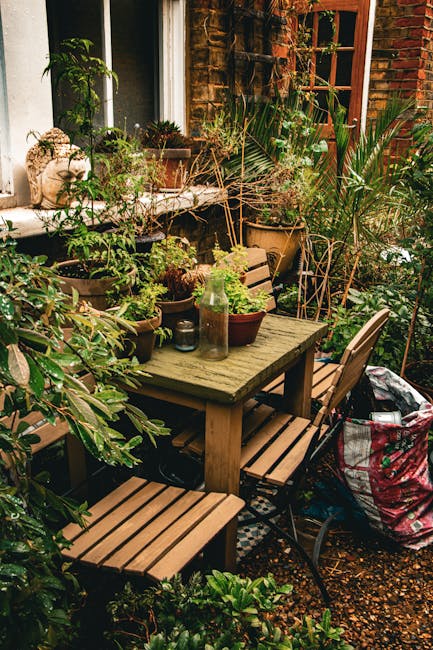
Imagine a compact rear yard near Clapham Junction: a narrow rectangle, a tired strip of grass, two climbing plants that have gone a bit wild, and paving that picks up moss after wet weather. Nothing dramatic. Just one of those spaces that always looks one step away from being nice, but never quite gets there.
The first move is a full tidy. Remove dead growth, cut back the climbers, sweep the paving, and edge the lawn. Then reassess the shape. In this sort of yard, a narrow grass strip often becomes more trouble than it is worth, so replacing part of it with gravel or planting can reduce maintenance while improving flow.
Next, add one simple structural element. It might be a bench, a raised planter or a clean trellis line. Not three things. One. Then introduce two or three plant types that suit the light. For example, a shady corner may benefit from evergreen structure and one seasonal accent, while the sunnier end can handle a more open, flowering arrangement.
Within a few weeks, the yard feels calmer. Not bigger exactly, but better used. The difference is practical: less time spent clearing, easier access to the back door, and a space that feels like part of the home rather than an afterthought. It is a small win, but a real one. And in a city garden, that counts.
Practical Checklist
Use this checklist before starting work on a small yard near Clapham Junction or Earlsfield.
- Measure the space and note any awkward corners
- Observe sun, shade and wet patches over a full day
- Remove clutter, dead material and unused items
- Decide the yard's main job: sitting, planting, access or storage
- Choose a simple layout with clear lines
- Keep plant choices proportionate to the space
- Check whether drainage needs attention
- Plan how often the garden will be maintained
- Confirm safety, insurance and waste-handling expectations
- Book regular upkeep if you know the space will otherwise slide
Quick takeaway: the best small-yard results come from restraint, structure and consistent maintenance, not from packing in more features.
Conclusion
A small yard near Clapham Junction does not need to be complicated to work well. In fact, the opposite is usually true. The best results come from editing, not adding. Clear the clutter. Respect the light. Choose plants that stay in scale. Keep maintenance realistic. That is the heart of a good Earlsfield gardeners guide for small yards near Clapham Junction, and it applies whether you are improving a personal garden or trying to keep a rented outdoor space looking respectable.
If you get the basics right, the garden starts giving back straight away. It feels calmer. Easier. More like a place you actually want to use on a quiet evening, with the door open and a cup of tea beside you. Lovely, really.
Get a free quote today and see how much you can save.
Frequently Asked Questions
What is the best garden style for a small yard near Clapham Junction?
A simple, low-clutter style usually works best. Think clean paving, restrained planting, and one or two strong features rather than lots of small decorative items. That keeps the space feeling open.
How often should a small yard be maintained?
Most small yards benefit from light weekly attention and a more complete tidy every few weeks. If the garden has fast-growing shrubs or moss-prone paving, you may need to act more often in wetter months.
Can a tiny yard still have lawn?
Yes, but only if the lawn has a proper purpose. In some yards a small lawn works well; in others it becomes a maintenance burden. If it is too narrow or shaded, alternatives like gravel, paving or planted beds can be more practical.
What plants are easiest for compact London gardens?
Plants that stay neat, tolerate local conditions and do not need constant fuss are usually the best fit. Climbers, compact evergreen shrubs and carefully chosen perennials often work better than large, sprawling varieties.
Is professional help worth it for a small garden?
Often, yes. Small spaces may look simple, but they can be fiddly. A professional can save time, improve the layout and help you avoid spending money on the wrong materials or plants.
How do I make a small yard look bigger?
Use fewer materials, keep colours calm, avoid bulky furniture and create clear sightlines. Vertical planting and tidy edges also help. One clean design choice can do more than several decorative ones.
What should I ask before hiring a gardener?
Ask what is included, how waste is handled, whether insurance is in place, and how often the garden should be maintained. If you want ongoing support, it also helps to ask about regular visits and quote structure.
Do small yards need drainage checks?
Yes, especially if you notice pooling water, soggy corners or slippery paving. Small gardens reveal drainage issues quickly because there is less space for water to disperse. It is worth sorting early.
How can I keep a small garden tidy between visits?
Focus on the basics: sweep surfaces, deadhead flowers, remove fallen leaves and keep edges neat. A few minutes every week makes a bigger difference than a full overhaul once in a blue moon.
Are there safety concerns with tight urban gardens?
There can be. Narrow access, uneven paving, hidden steps and close boundary walls all need care. Good practice includes clear walkways, careful tool handling and sensible attention to protective equipment and access.
What is the biggest mistake people make with small yards?
The biggest mistake is usually trying to do too much. Too many plants, too many materials and too many features can make a small yard feel cramped and hard work. Simplicity tends to win.
How do I choose between a one-off tidy and regular maintenance?
If the space only needs a reset, a one-off tidy may be enough. If the garden keeps slipping back, regular maintenance is usually better value and far less stressful. The right choice depends on how much time you want to spend keeping it in shape.
Where can I check trust and policy information before booking?
It is sensible to review pages such as the health and safety policy, payment and security information and complaints procedure so you know how the service is managed and what to expect.
Can small yards be improved without a full redesign?
Absolutely. In many cases, a careful tidy, better edging, stronger pruning and a smarter maintenance plan make a noticeable difference without major expense. Sometimes that is all the garden really needed.
If you are ready to make your space easier to enjoy, calmer to look at and simpler to keep up, a local, practical approach is the right place to start. Small gardens can be brilliant. They just need a bit of thought, and a steady hand.